
Roman patricians built their seaside homes along it. And if it is still one of the most popular tourist routes around Rome, it is thanks to its unchanged beauty and that scent of history that reaches beyond the centre of the capital. It is the Via Severiana, the ancient coastal road that starts from the city of Ostia, from its port to be precise, and runs to Anzio and Terracina.
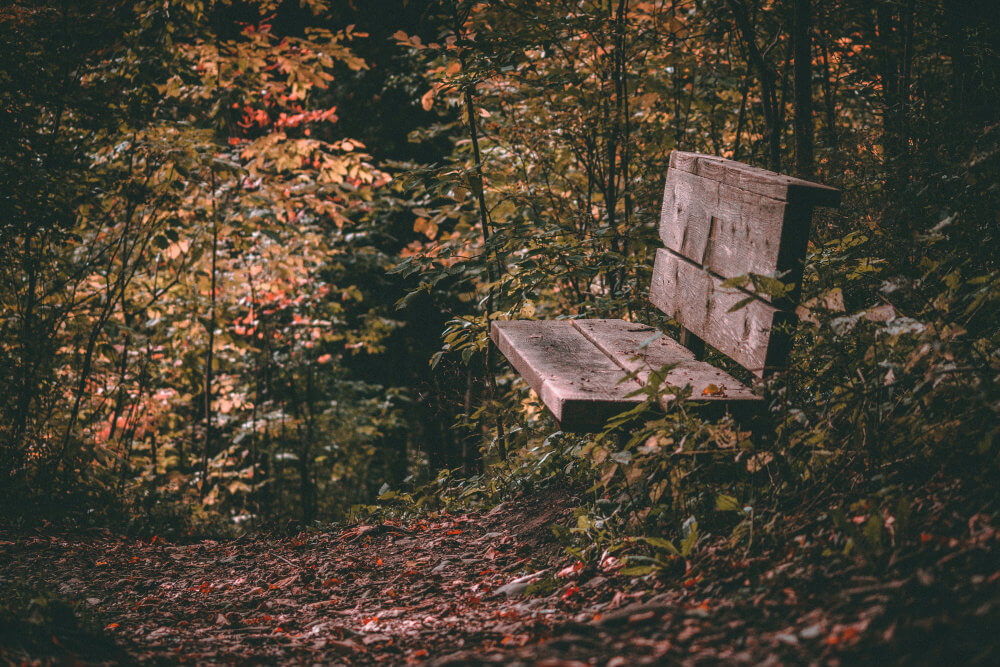
Commissioned by Emperor Septimius Severus, originally to defend the coast, it is now walked by those who want a long walk in nature, discovering an area that visitors sometimes pass over in favour of other destinations, such as the sights of Rome. Yet to touch the essence of the past, of that 2nd century AD when the Roman Empire kept expanding, the Via Severiana is one of the symbols of a people who thought big. It is one of the best-known branches of the Roman road network, and over the years accommodation has grown up around it, offering visitors the chance to discover a different story.
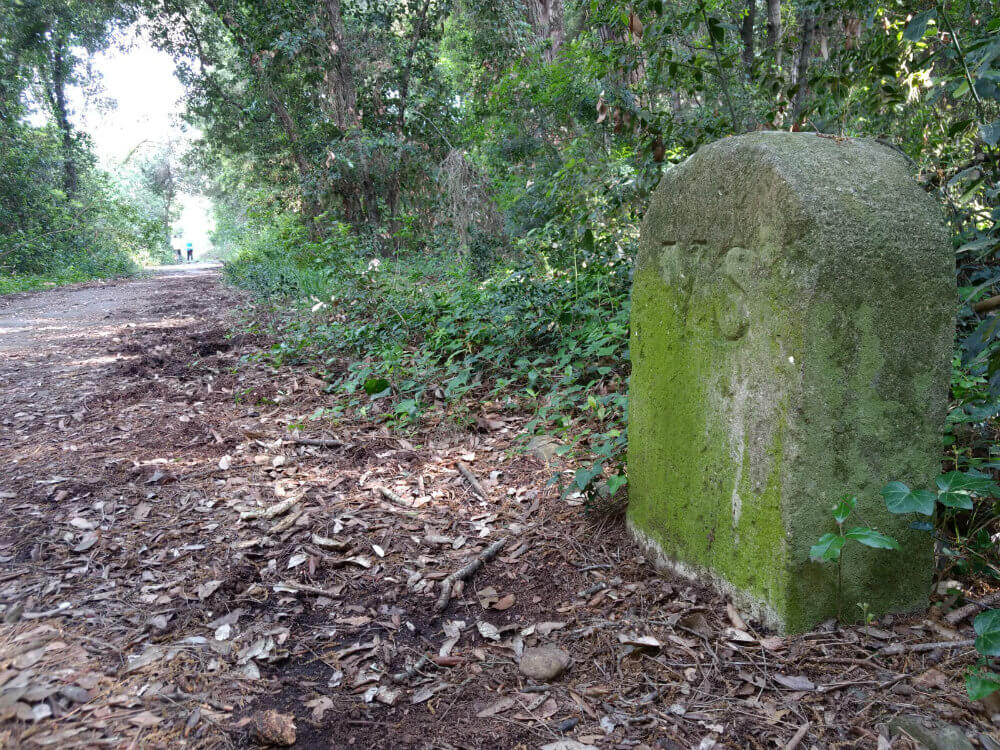
The Via Severiana in nine kilometres.
The road is made of typical Roman basalt, alternating with stretches of sand and dirt track. All around, the native pines of the Tyrrhenian coast and holm oaks accompany walkers on this long route through the pine forest of Castel Fusano. About nine kilometres, which can be covered on foot in around three and a half hours, make up a truly evocative route, because it was thanks to the Via Severiana that trade from Rome developed more and more towards the south. Emperors Commodus and Augustus, as well as great men of letters such as Pliny the Younger and the orator Hortensius, built their residences along the Via Severiana for the beauty of the place and its distance from the busier towns.
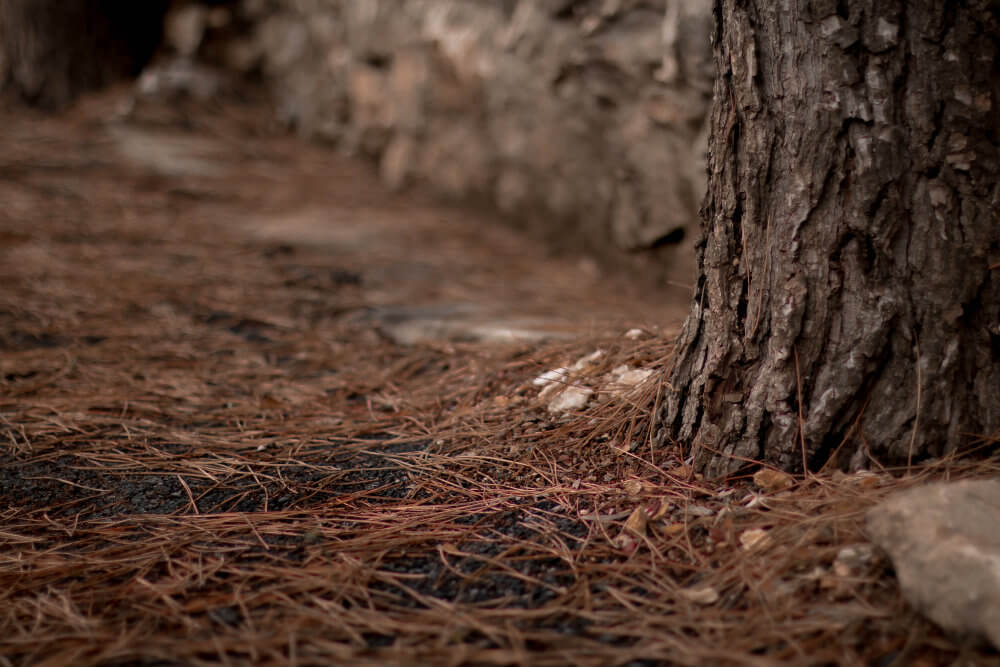
Things to do in the Castel Fusano pine forest.
To help people discover the ancient coastal road, the WWF stepped in: in its successful effort to preserve part of the coastal route, which never leaves the sea despite meeting the local lakes, it once marked the trail inside the Castel Fusano pine forest with numbered posts that, step by step, told walkers and visitors a story too important to be forgotten, describing the area, its plants and the animals that live there. Along the way you can see trees such as the strawberry tree, myrtle, mastic and tree heath, all typical plants of the Mediterranean coast. Especially in autumn, thanks to the humidity of the pine forest, the vegetation changes to make room for the English oak, a deciduous oak. Today the pine forest is part of the Litorale Romano State Nature Reserve: access points and directions are on the Reserve’s website.
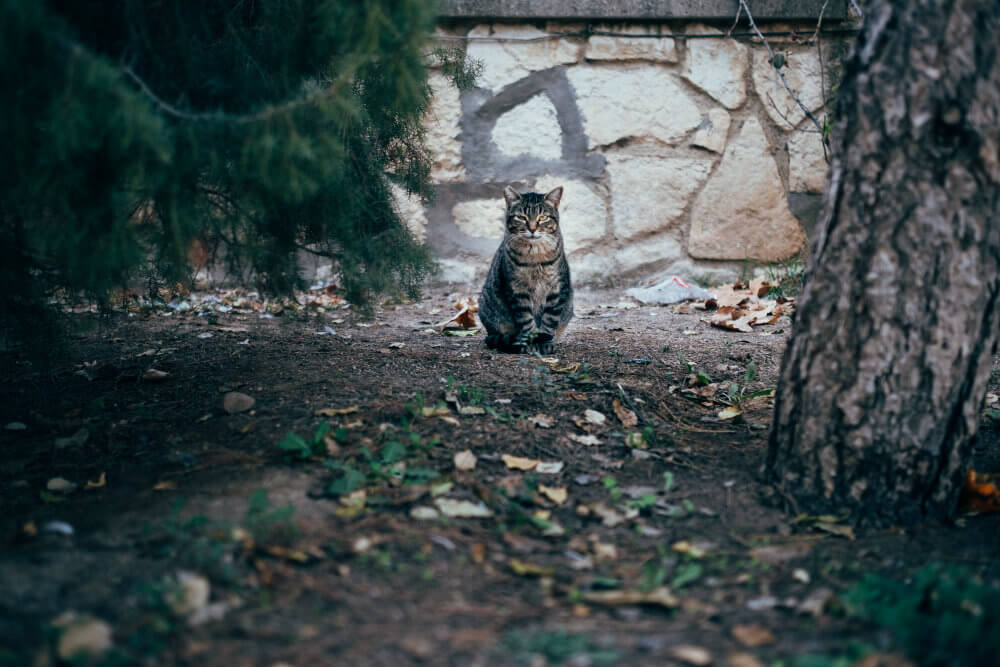
You may also come across different animal species, such as tortoises (very rare today), foxes or wild boar, whose passage is marked by the so-called “ploughing”, the typical marks they leave on the ground while searching for tubers. Nature lovers can try their hand at birdwatching, hoping to spot the hoopoe, easier to see in spring, or the cuckoo, whose typical call can be heard by standing silently in the middle of the pine forest.
The architecture of Ostia.
The Castel Fusano pine forest is also one of the few green lungs of the Roman coast which, besides its natural areas, offers many examples of early 20th-century religious architecture, such as the Church of Santa Monica or the Chapel of the Colonia Marina Vittorio Emanuele II. But an even older history can be felt at every corner, and you can sense it simply by walking through the streets and looking up at the names of the most important streets and squares. One example above all: Piazza Anco Marzio, home to the wonderful Palazzo del Pappagallo.
The expression “Roma caput mundi” fits Ostia and its Via Severiana perfectly, because the road still embodies the ambition of ancient Rome to extend its territory as far as possible. And the city of Ostia offers a unique opportunity: to take visitors back to the Empire of old, when the people had an important role, so close to Rome that it deserves a mention and an in-depth visit. Because history is a continuous discovery, and the Via Severiana is an unmissable and evocative route with a unique landscape, with the sea on one side and the Roman countryside on the other.
If you want to enjoy these displays of nature, well-being and relaxation, just get in touch with us at Romeforguest. As well as welcoming you in one of our many options for staying in Ostia, we offer all the information you need for an unforgettable stay in an extraordinary region.